





Editorial Platform — Informational content only. No services, no sales, no deliveries. Read full notice
+1 634 280 448New YorkMon-Fri 09:00 - 18:00
Send Feedback
Real people sharing joint pain diet tips
Community Stories & Editorial Insights Expert Guidance

Real People Reveal the Foods That Helped Them Fight Joint Pain

Across the United States, everyday men and women are discovering that what they eat has a profound effect on how their joints feel day to day. Jointnutritionspeak brings together their personal experiences, practical diet tips, and editorial research so you can make more informed decisions about your own nutrition.

Browse our curated collection of community-submitted insights, expert commentary, and anti-inflammatory eating guides — all written in plain language for real people living with joint discomfort.

Medical Disclaimer

The information on this site is for educational purposes only and does not constitute medical advice. Always consult a qualified healthcare professional before making health decisions.

Joint Pain Is a Widespread, Everyday Reality

Millions of Americans quietly adjust their daily lives around joint stiffness and inflammation. Diet is increasingly recognized as one of the most accessible tools available — not a cure, but a meaningful form of support.

A Widespread Concern

Joint discomfort affects people of all ages across every U.S. state. It is one of the most common reasons adults report reduced mobility and daily activity limitations, according to national health surveys.

Diet as a First Step

Many people explore dietary changes before or alongside medical treatment. Anti-inflammatory foods — from fatty fish to leafy greens — are among the most frequently discussed options in both research literature and community forums.

Community Knowledge Matters

Peer-shared experiences carry real value. When someone describes how cutting processed sugar reduced their morning stiffness, that practical insight resonates in a way clinical language often doesn't — and that's what our platform is built around.

Community Contributions

Top Diet Tips Submitted by Our Community

These insights come directly from readers across the United States who shared what dietary changes made a noticeable difference in how their joints feel. Editorial notes added for context.

All Topics Anti-Inflammatory Foods Foods to Avoid Meal Planning Omega-3 & Fats Hydration
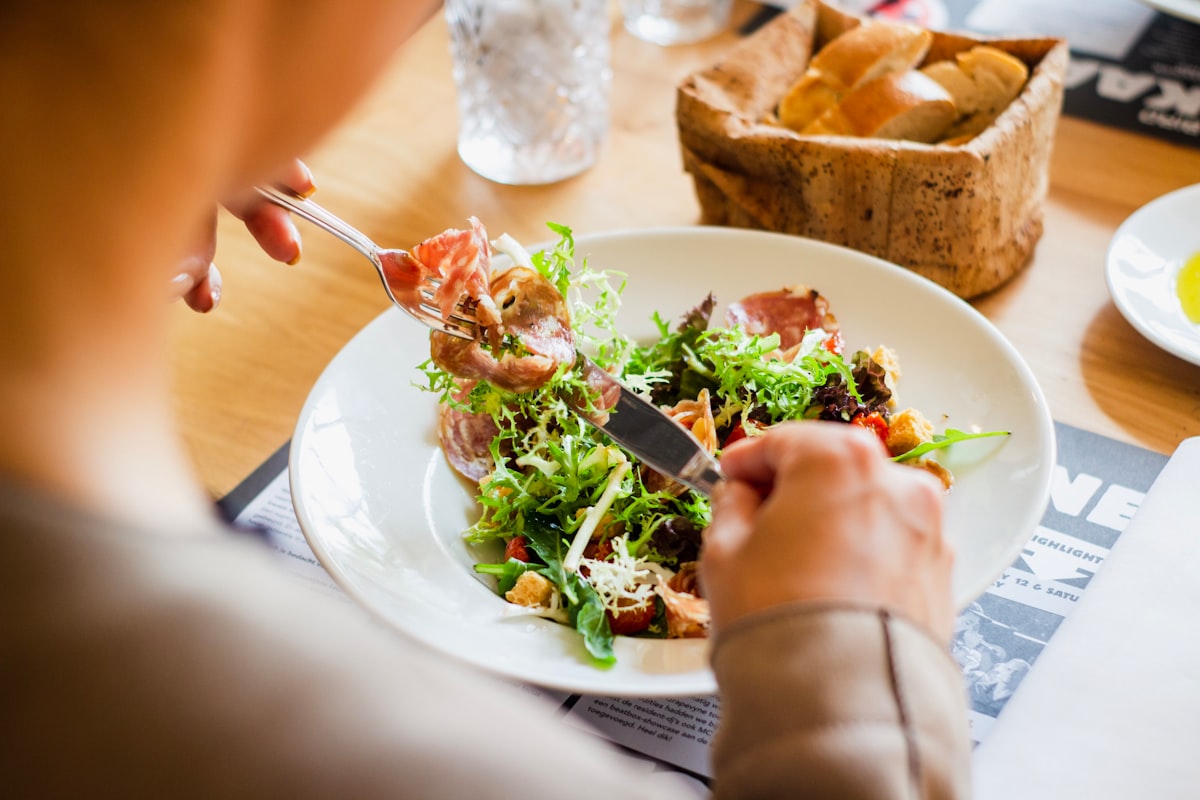
Omega-3 rich foods for joint health
Omega-3 & Fats

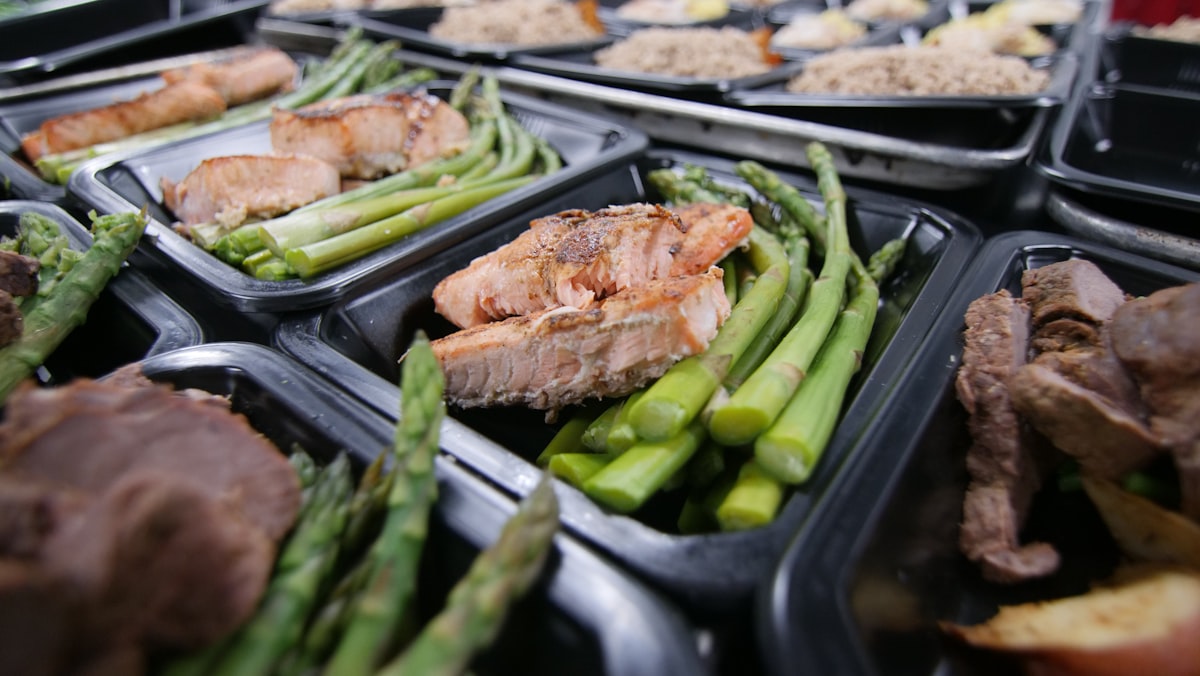
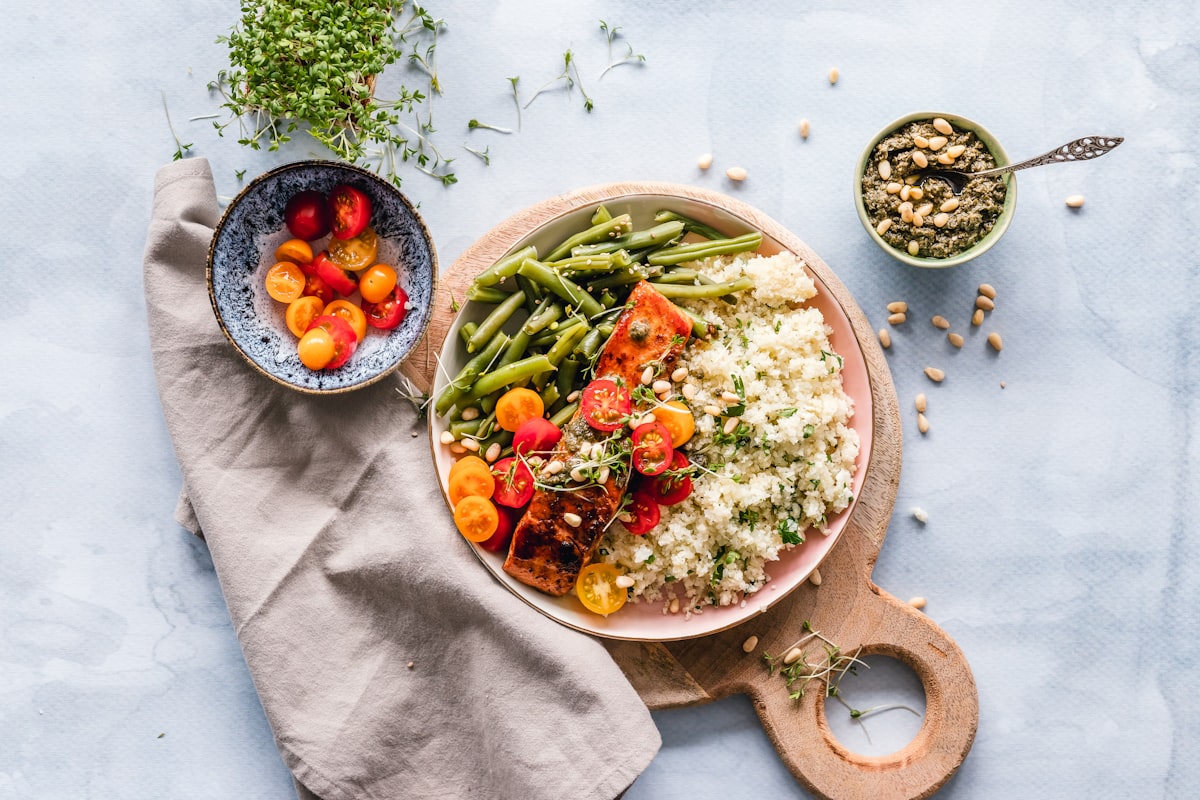
Eating Fatty Fish Twice a Week Changed Everything

Sandra T. from Columbus, Ohio began adding salmon and mackerel to her weekly meals and noticed reduced stiffness in her fingers within several weeks. Our editorial team explains the science behind omega-3 fatty acids and their relationship to inflammatory pathways.

Read More
Turmeric and anti-inflammatory spices
Anti-Inflammatory Foods

Adding Turmeric to Daily Cooking — A Small Change With Big Impact

Marcus R. from Austin, Texas started incorporating turmeric into soups, rice, and scrambled eggs after reading about curcumin. He describes a gradual but meaningful improvement in how his knees feel during long walks. Learn what the research says and how to pair it with black pepper for better absorption.

Read More
Cutting out processed sugar for joint pain
Foods to Avoid

Cutting Processed Sugar: What Two Weeks Without Soda Taught Me

Lisa M. from Denver, Colorado eliminated soda and packaged sweets for a two-week experiment and found her afternoon joint flare-ups became less intense. Our writers explore why high-glycemic foods are thought to trigger inflammatory responses in some individuals.

Read More
Mediterranean diet and joint health
Meal Planning

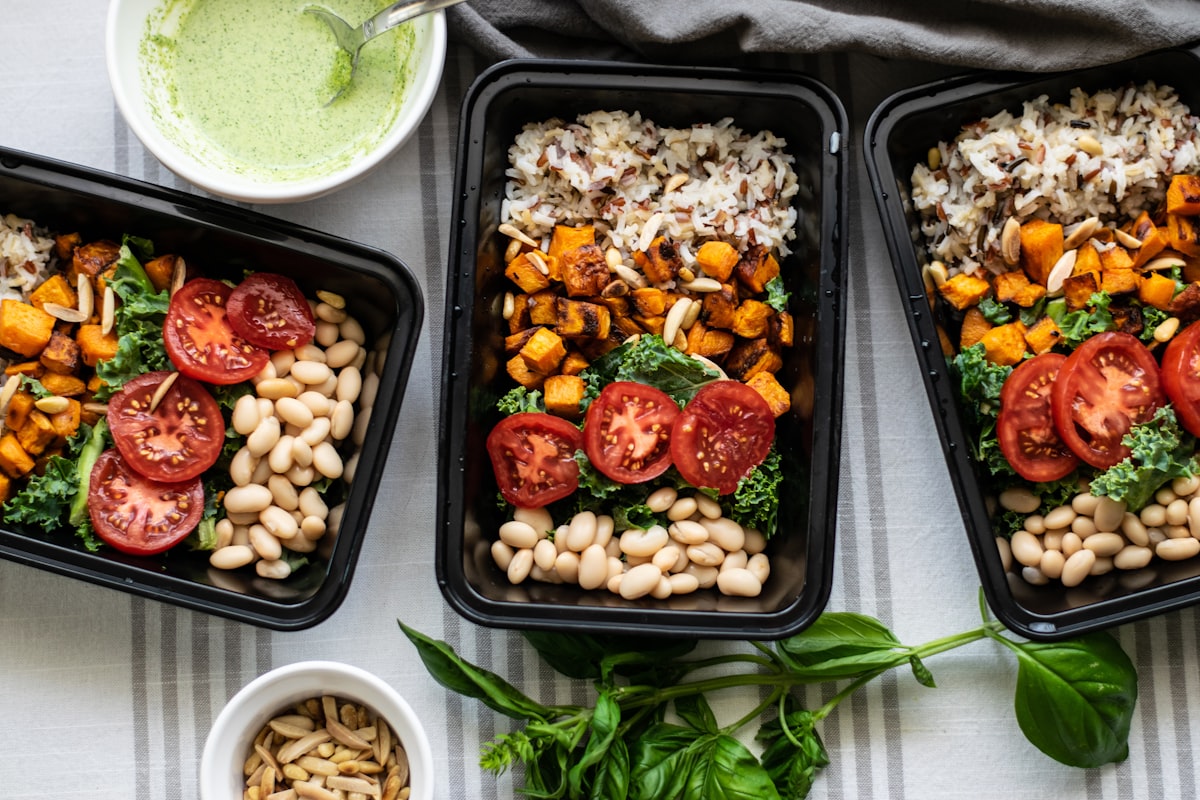
How the Mediterranean Diet Became My Joint-Friendly Blueprint

After years of trial and error, David K. from Seattle, Washington settled on Mediterranean-style eating — olive oil, legumes, fresh vegetables, and very little red meat. He shares his weekly meal rhythm and what he keeps stocked in his pantry at all times.

Read More
Hydration and joint lubrication
Hydration

I Drank More Water and My Joints Felt Better — Here's Why That Makes Sense

Patricia N. from Phoenix, Arizona admits she had been chronically underhydrated for years. Once she committed to drinking adequate water daily, her joint cracking and dryness improved noticeably. Our editorial piece covers cartilage hydration and what fluids are most beneficial.

Read More
Leafy greens and vitamin K for joints
Anti-Inflammatory Foods

Dark Leafy Greens Every Day: A Simple Habit With Lasting Benefits

James B. from Chicago, Illinois began adding spinach, kale, or arugula to at least one meal per day and reports that his hip discomfort during morning routines has eased over time. We explore the role of vitamin K, magnesium, and antioxidants found in these foods and how they relate to joint tissue health.

Read More
Editorial Perspective

Why Everyday People Are Turning to Food Instead of Reaching for the Medicine Cabinet

There is a growing conversation in American households about the role of nutrition in managing chronic discomfort. Many individuals report feeling empowered when they realize that what they put on their plate is something they can actively control — unlike medication schedules, insurance coverage, or specialist appointments.

This doesn't mean food replaces medical care. Our editorial team is clear on that point. But the stories we receive consistently describe diet as a meaningful complement — something that makes people feel more involved in their own wellbeing. That sense of agency matters enormously, especially when living with long-term joint discomfort.

  • Accessible and affordable: Whole foods like berries, olive oil, and walnuts are available at any grocery store and fit most household budgets.
  • No prescription required: Dietary adjustments can be explored independently, discussed with a doctor, and adjusted based on personal response.
  • Peer learning is powerful: Reading how someone with similar symptoms found relief through real dietary changes offers motivation that generic health advice rarely delivers.
Learn About Our Approach
Healthy anti-inflammatory foods for joints

Get New Community Insights Delivered to You

When readers submit new diet tips or our editorial team publishes a new guide, we send a brief update. No spam — just real, relevant content about nutrition and joint health.

Reader Questions

Common Questions About Anti-Inflammatory Diets and Joint Health

Our editorial team compiled the most frequently asked questions from our reader community. These answers reflect general nutritional knowledge and community-shared experiences — not medical advice.

Share Your Joint Pain Diet Tip and Help Others Find Relief

Your personal experience — the food you removed, the habit you built, the change you noticed — could be exactly what someone else across the country needs to read. Jointnutritionspeak is built on stories like yours. Our editorial team reads every submission and gives each one thoughtful consideration before publishing.

More From Our Journal

Keep Reading

Dive deeper into joint health, mobility science, and real-world nutrition insights curated by our editorial team.
Turmeric and curcumin supplements Supplements

June 10, 2025 • 5 min read

Curcumin vs. Turmeric: What the Science Actually Says About Joints

Both are celebrated as natural anti-inflammatories, but only one delivers meaningful bioavailability for joint tissue. We break down the evidence.

Read Article


Yoga and joint mobility Mobility

June 3, 2025 • 6 min read

The 10-Minute Morning Mobility Routine That Protects Aging Joints

Consistency beats intensity when it comes to joint health. This evidence-backed routine takes just ten minutes and delivers measurable results within weeks.

Read Article
Anti-inflammatory foods Nutrition

May 28, 2025 • 7 min read

Anti-Inflammatory Eating: A Practical Guide for Joint Pain Sufferers

Whole foods rich in omega-3s, polyphenols, and antioxidants form the cornerstone of any joint-care nutrition plan. Here's exactly what to eat and why.

Read Article
1 2 3 8
This site provides educational content only. We do NOT offer medical consultations, sale of products, deliveries, or refund policies. For medical advice, consult a licensed professional.